Kapixi
From one logo to the brand, product, and distributed build behind a new software platform.
Industry
Software / knowledge platform
Partnership
Embedded partnership
Relationship
Embedded creative, product, and operating partner
Status
Platform built and soft-launched; the company later ended the project
Scope
Brand, marketing website, product UI, mobile direction, interface content, development-team management, sprint planning, market research, investor materials, and go-to-market support
They asked for a logo. The work became the company.
Kapixi came to Keeks while its founder was shaping a platform for people with something to teach and people looking to learn. The initial assignment was simple: create the identity.
It quickly became clear that the identity could not be separated from the thing it represented. The brand needed a website. The website needed a clear product story. The product needed to become usable. And once development was underway, someone had to connect design decisions to the team building it.
The founder retained the product vision, fundraising relationships, and company direction. Keeks carried the brand, product, development, and market work around those decisions.
The logo was only the first decision.
- 01IdentityA logo assignment became the visual and verbal language for the company.
- 02ProductThe idea moved into the marketing site, platform UI, mobile experience, and user flows.
- 03BuildProduct direction became specifications, sprint priorities, development coordination, release work, and QA.
- 04MarketResearch, positioning, roadmap thinking, investor materials, and launch preparation surrounded the product.
The identity had to make the idea feel real.
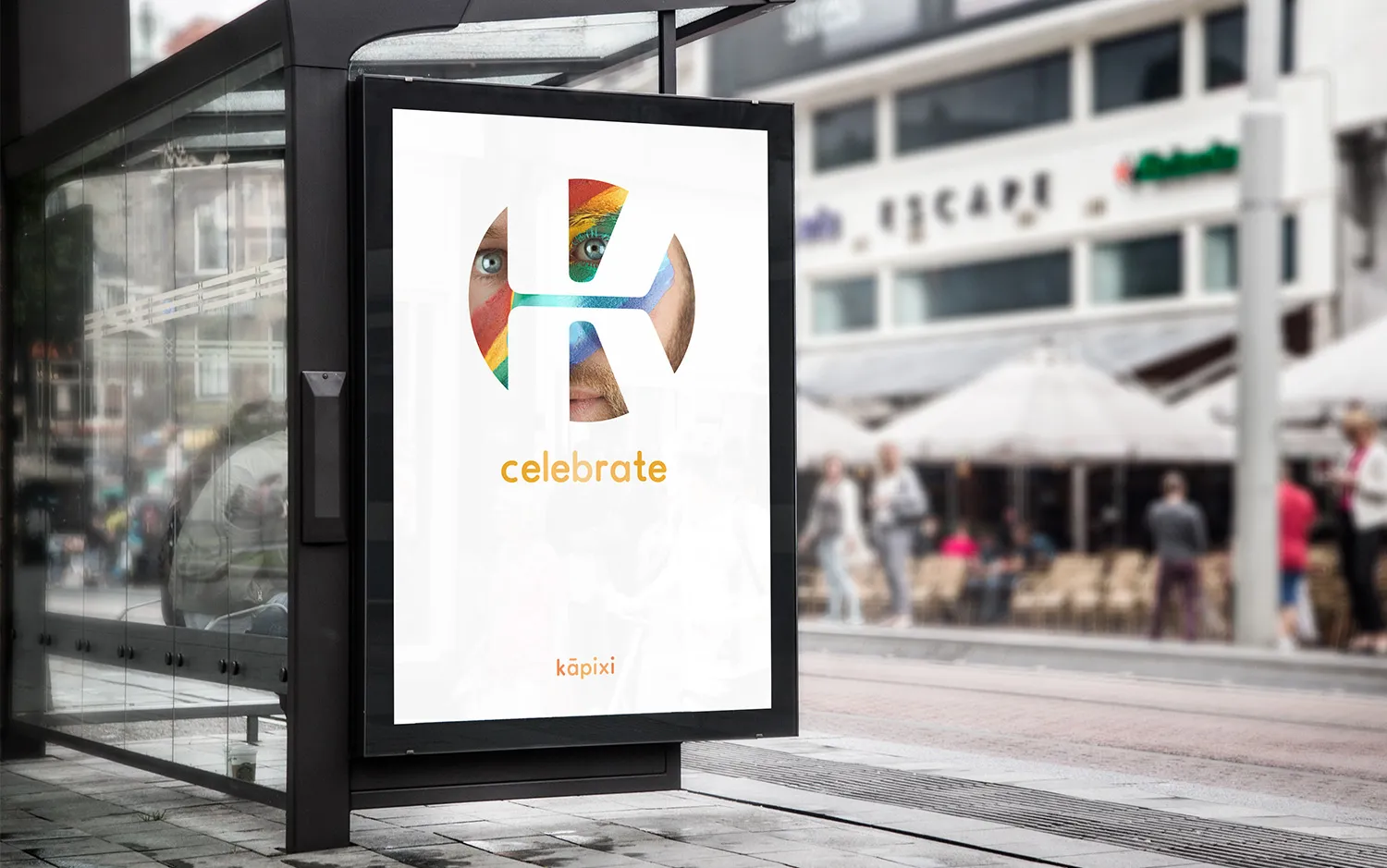
Kapixi was built around meaningful exchange between people with something to teach and people looking to learn. The brand needed to feel human and open without becoming vague or lightweight.
Keeks developed the identity and language, then carried that system into the website, product interface, campaigns, and investor materials.

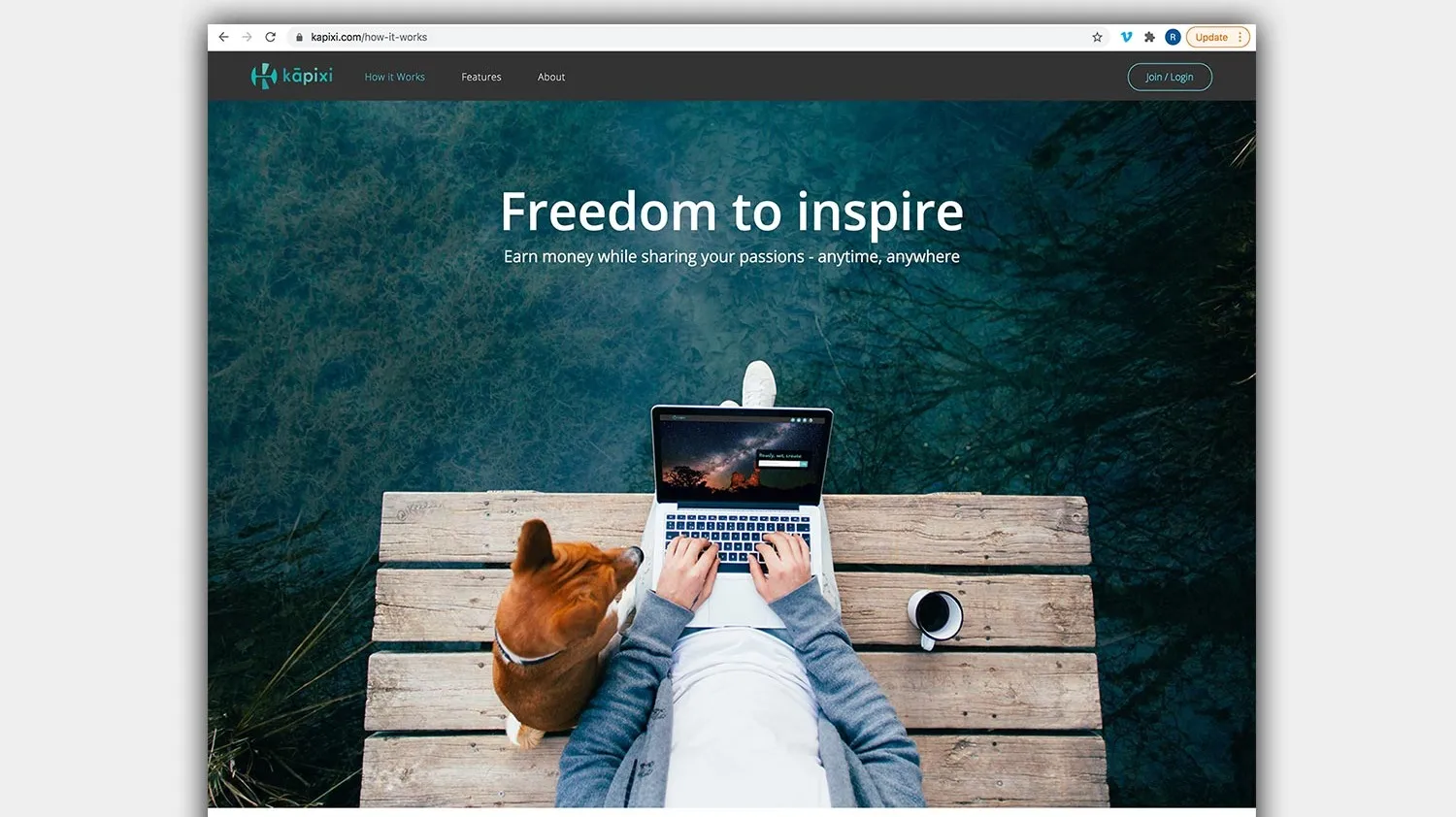
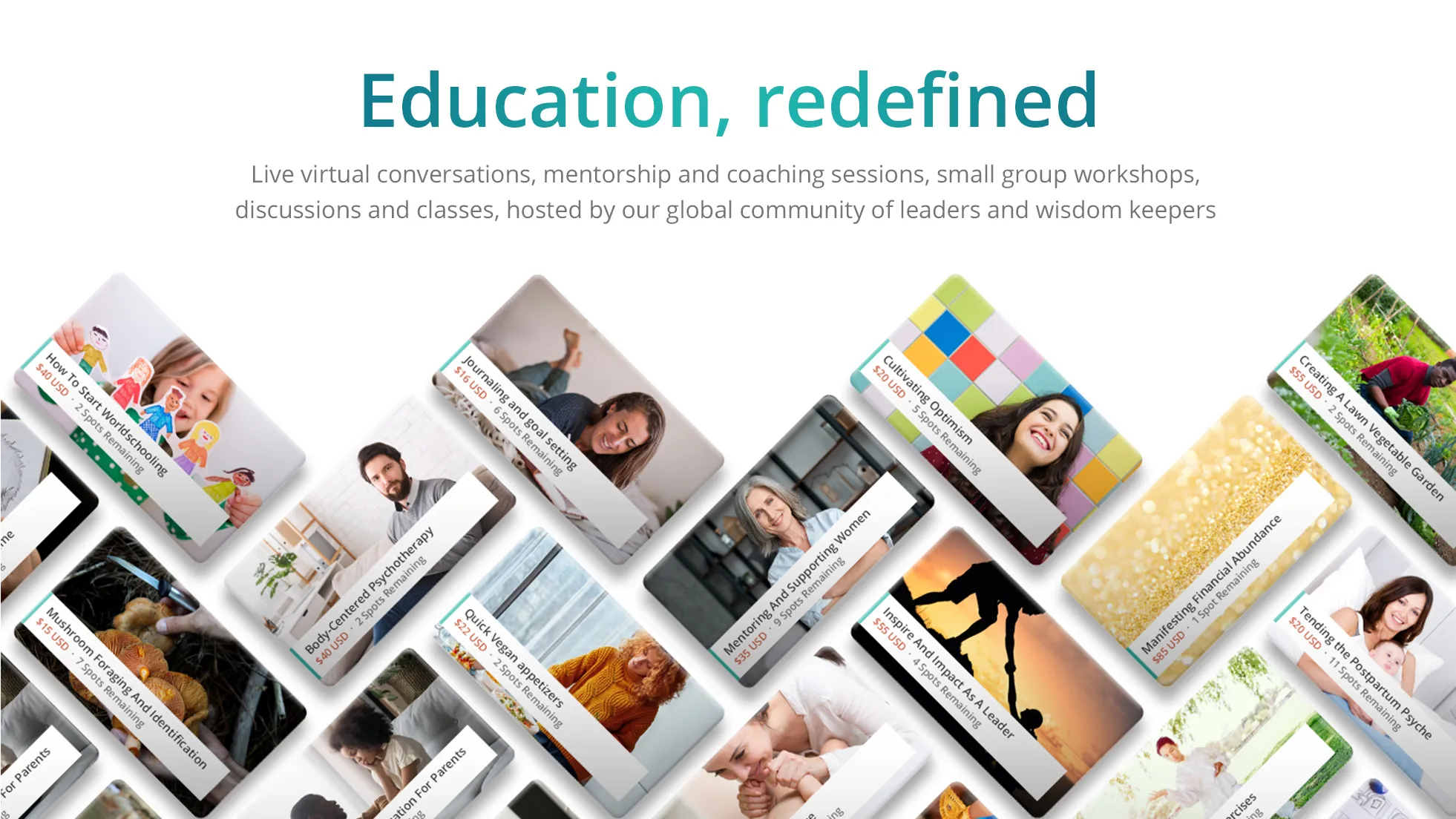
People had to understand Kapixi before they could use it.
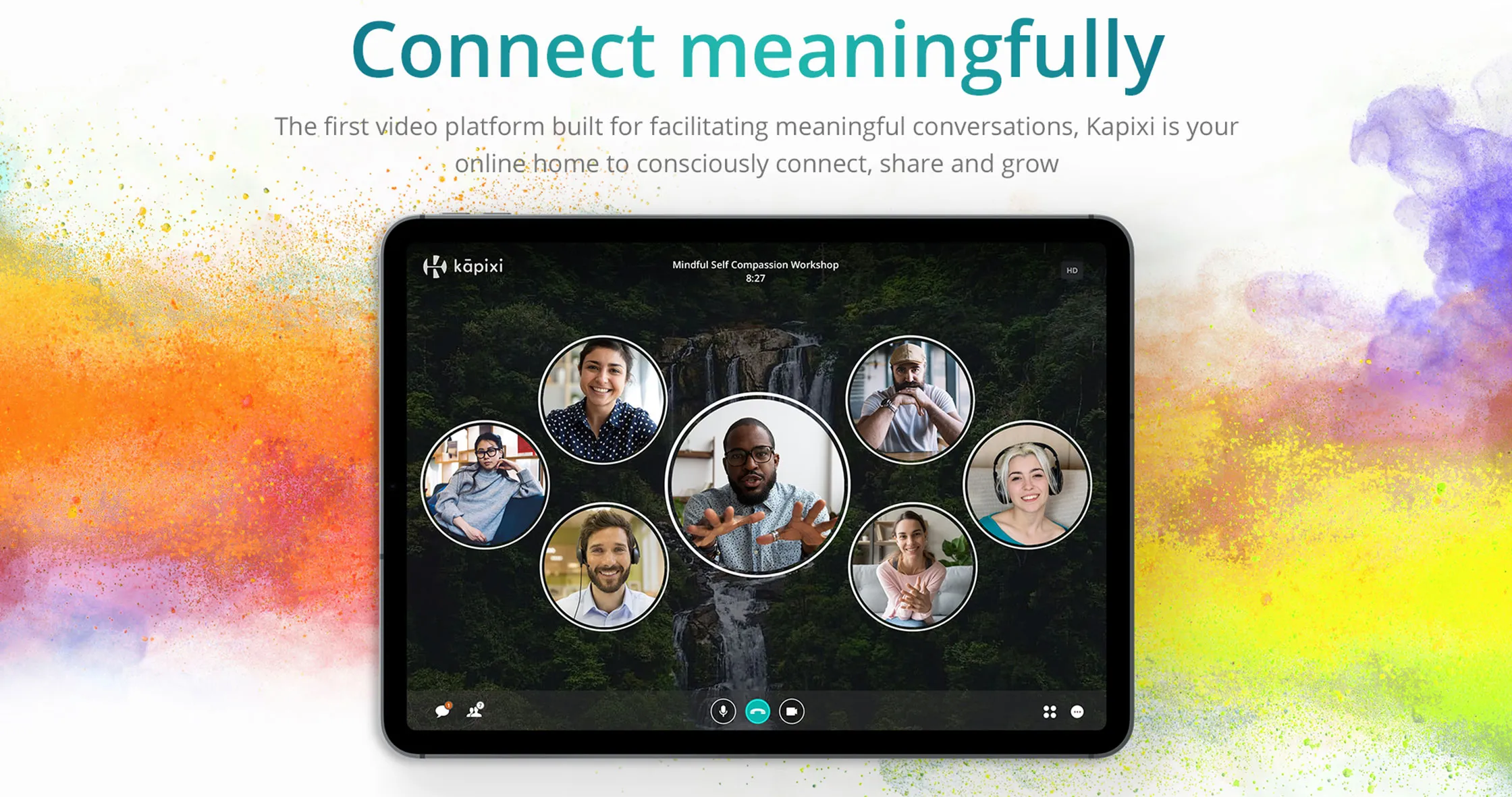
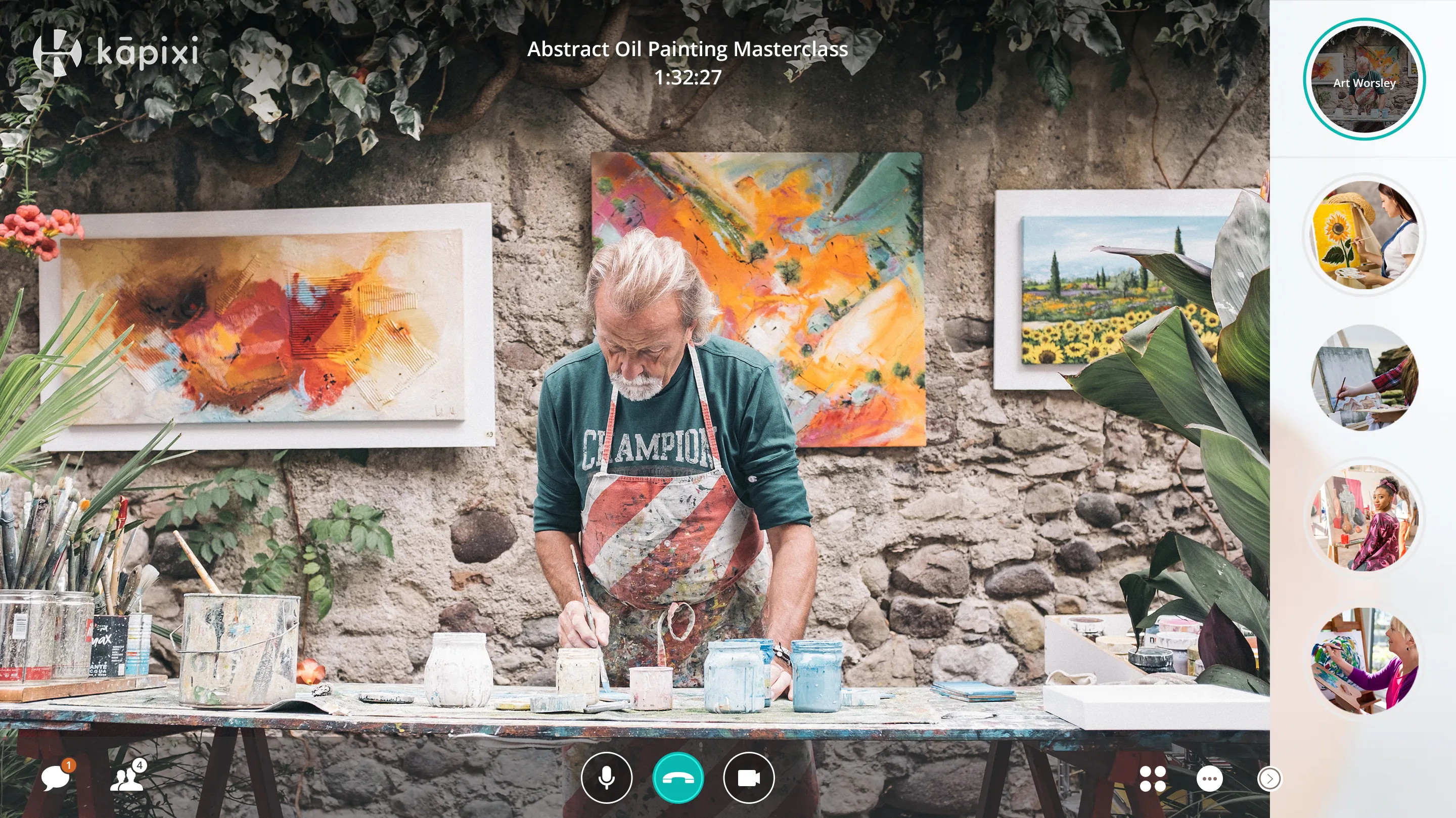
Kapixi was more than video conferencing. Facilitators could create experiences, invite participants, charge for sessions, host them, manage participation, and continue the relationship afterward.
Keeks built the public story around what the platform actually enabled, then carried that language into the website, product, and launch materials.
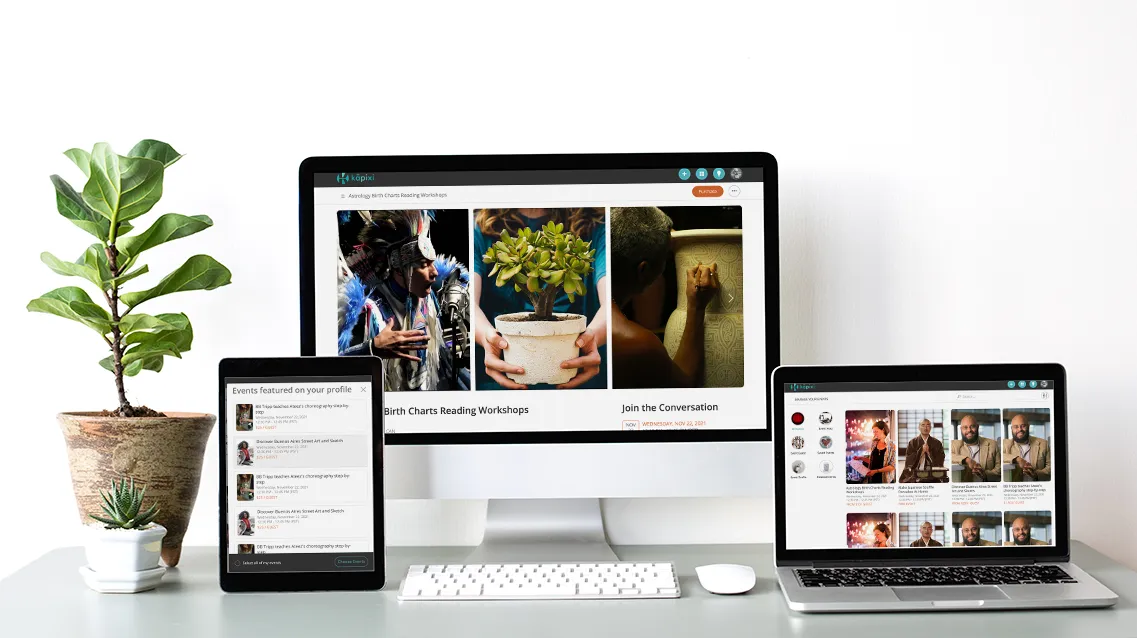
The brand only mattered if the product made sense.
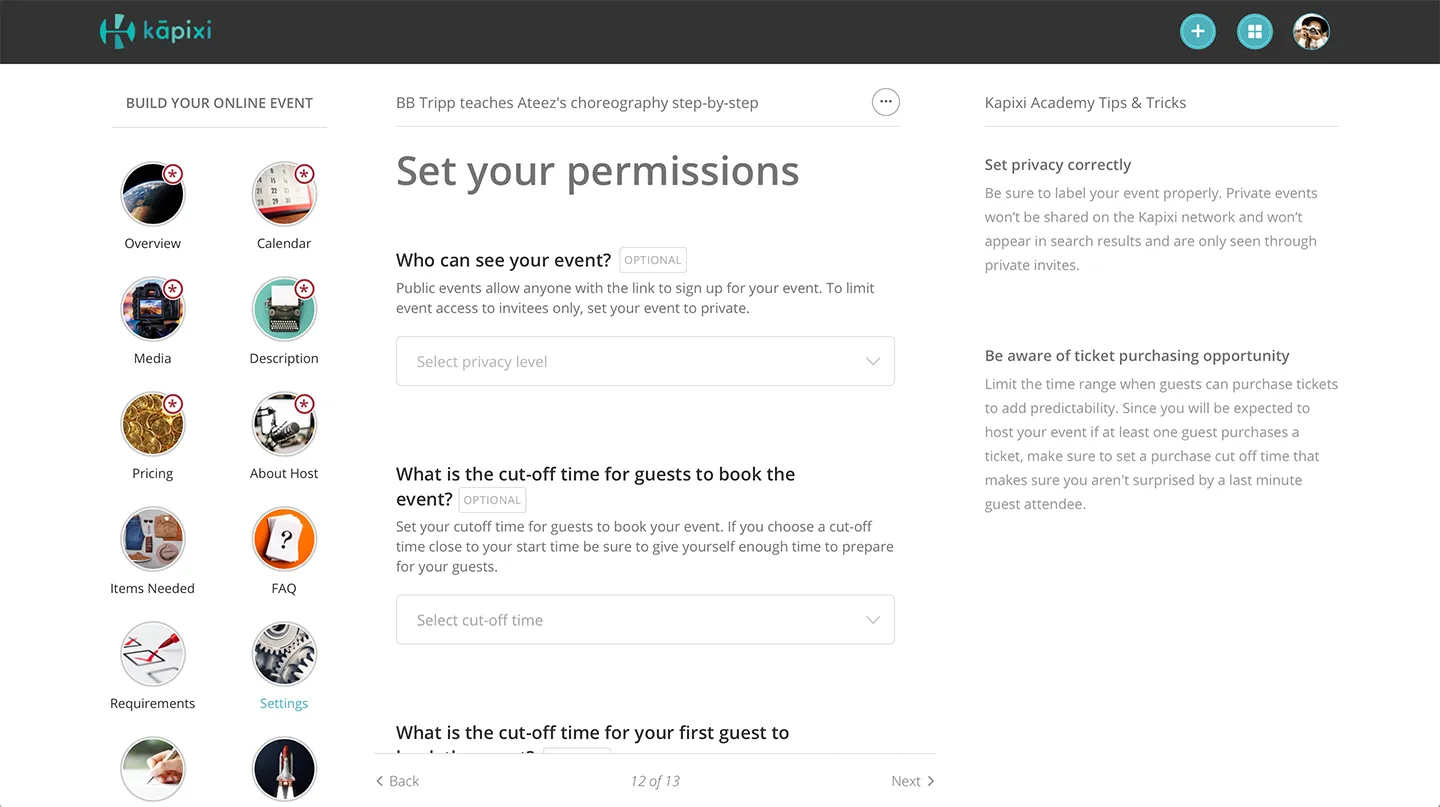
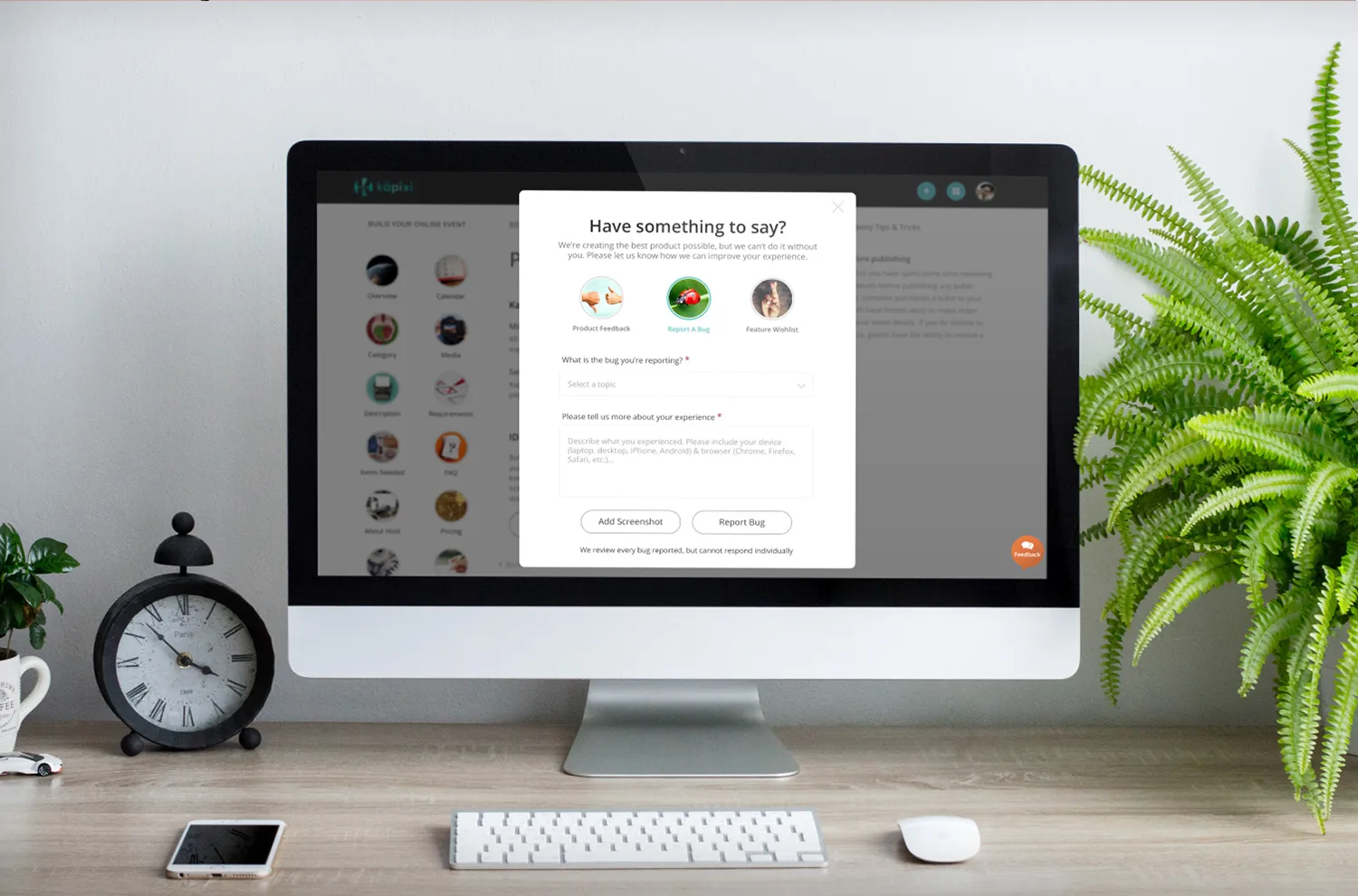
Kapixi had two very different users. Facilitators needed to create, price, invite, host, manage, and follow up. Learners needed to discover experiences, understand what they were joining, participate, and stay connected afterward.
Keeks shaped the platform UI, mobile direction, interface language, host and learner flows, and administrative surfaces as the product moved through active development.

The build had to stay coherent across three countries.
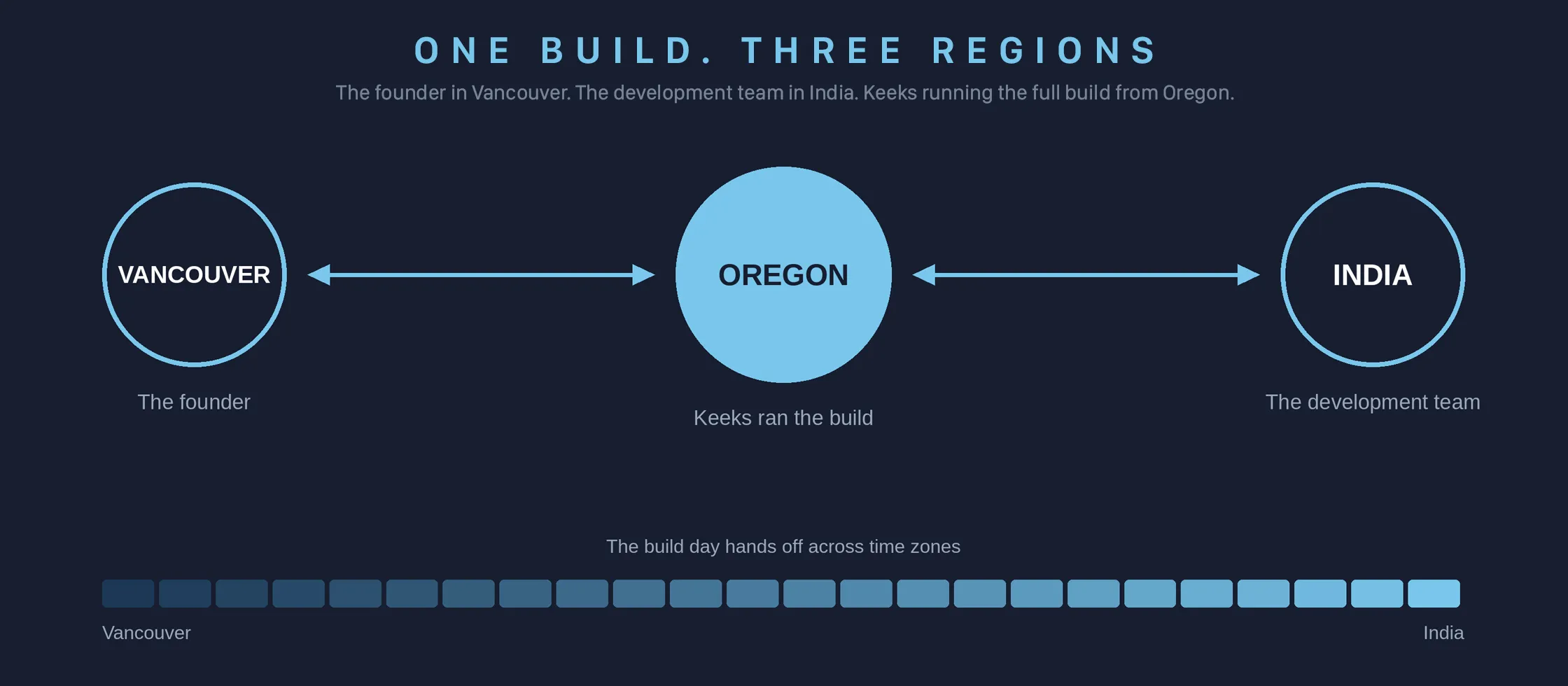
The founder was in Vancouver. Keeks led design and product management from the United States. A twelve-person development team worked from India.
Product decisions had to become specifications, priorities, tickets, reviews, QA, releases, and another round of work. Keeks managed that development rhythm and kept the product experience connected as the team moved through the build.
A working product still needed a market story.
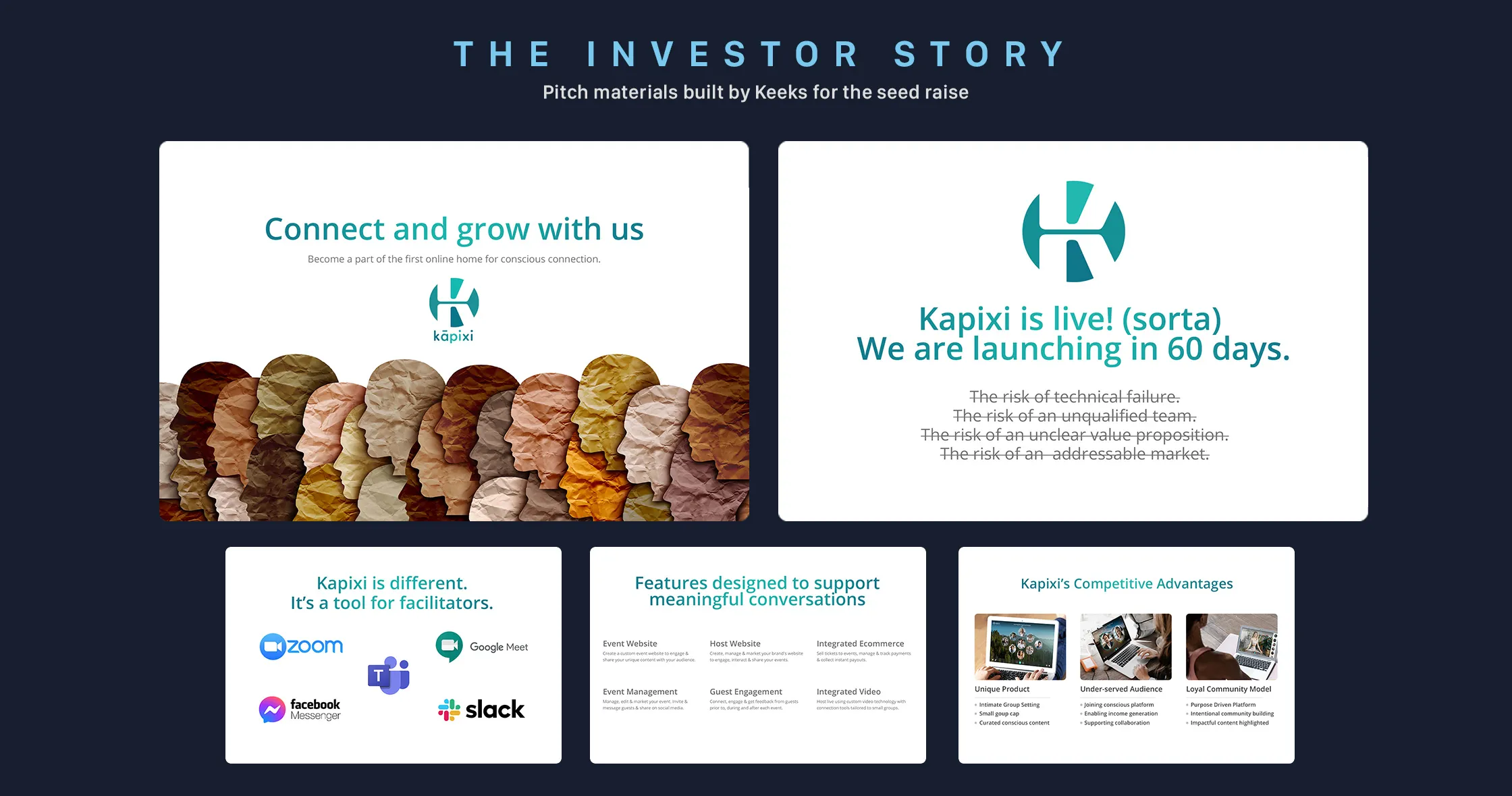
As Kapixi moved toward launch preparation, product decisions and market decisions started affecting each other. The company needed to define who the platform was for, what mattered most, and how to present the opportunity to investors.
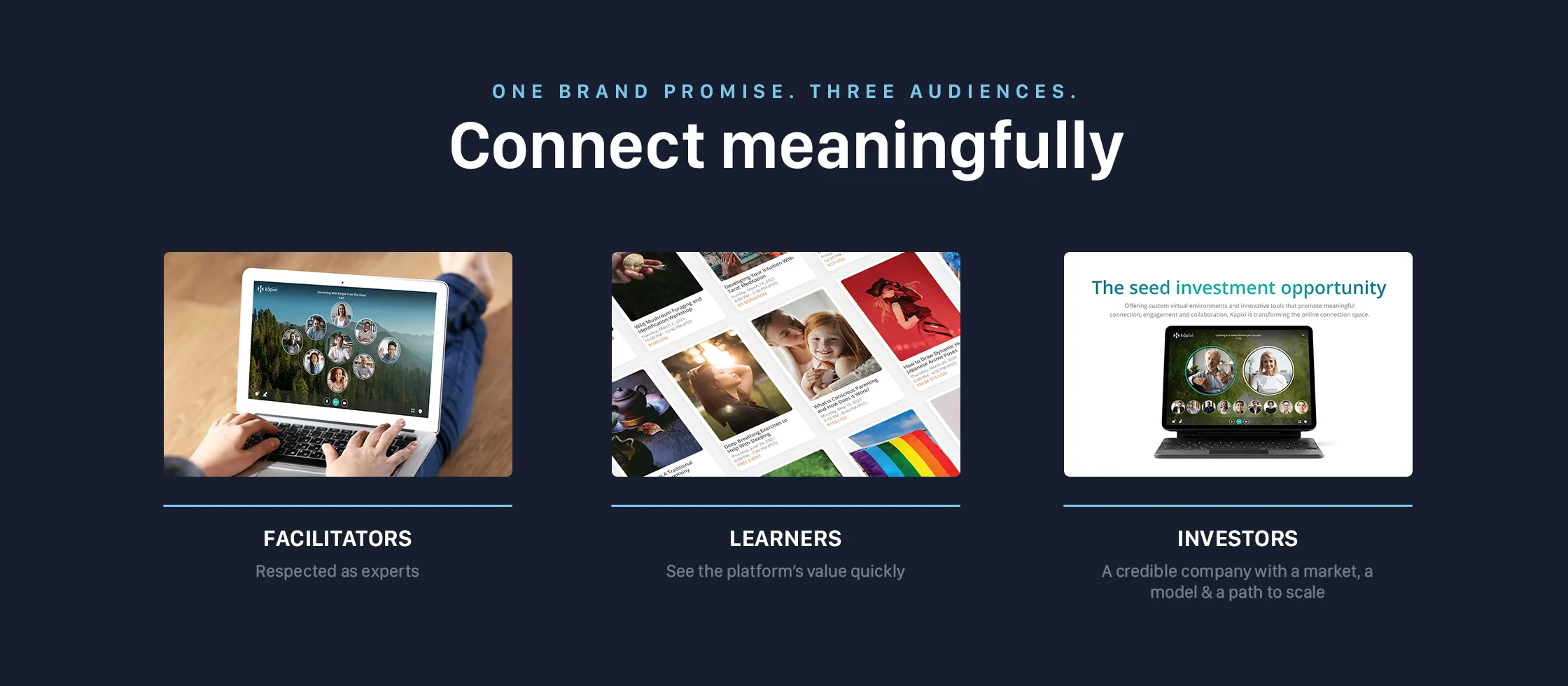
Keeks supported market and competitive research, positioning, roadmap thinking, go-to-market planning, investor narrative, and fundraising materials. That work fed back into the website and product rather than living in a separate strategy deck.
Fundraising decisions and investor relationships remained with the founder.
One logo opened the door to everything that followed.
Kapixi began as a focused identity project. It grew into the brand, product, development system, and market preparation behind the company because each stage created the context for the next.
The platform was built and soft-launched before the company ended the project. What began as one deliverable became a connected company build.