The product is real. Build the market around it.
A working product is only one part of getting to market. Customers still need to understand it, sales needs a story it can carry, investors need to see the business around it, and the company needs a path from interest to successful use.
Keeks builds the commercial system around technical, physical, and software products: the market research, positioning, brand, product experience, website, packaging, sales materials, investor materials, and launch work required to make the product usable and understandable in the real world.
We connect those pieces before launch so the product, company, and market story arrive as one thing instead of a collection of separate deliverables.
The signal is usually that the product is ahead of the company.
The product may work. The commercial system around it is what is still being invented.
The product is difficult to explain.
The team understands what it does, but customers, investors, or partners still need a long conversation before they understand why it matters.
The launch pieces are being built separately.
Brand, website, product UI, packaging, sales materials, and launch planning are moving with different owners and no single commercial decision holding them together.
The product story and company story disagree.
The deck makes one argument, the website makes another, and the product experience introduces a third.
Every customer step still has to be invented.
The build is nearly ready, but onboarding, education, sales support, handoffs, and the path to successful use are still being figured out one customer at a time.
Decide how the product reaches market before you launch it.
Commercialization starts by deciding who the product is for, what problem it owns, what buyers compare it against, and what has to exist around the product for someone to understand, buy, adopt, and keep using it.
That system gets built before the launch date becomes the strategy.
Research the market and the buyer.
Study the category, competitors, customer needs, buying context, and the open ground the product can credibly own.
Set the position and commercial story.
Define who the product is for, why it matters, how it is different, and the argument customers, sales teams, and investors need to understand.
Build the commercial system around the product.
Carry the position through the name, brand, website, product UI, packaging, sales materials, investor materials, and supporting content.
Prepare the path from interest to successful use.
Map what a real customer needs before, during, and after purchase so launch does not depend on the company inventing each next step.
Launch, learn, and carry the signal back into the system.
Use real market response to improve the product experience, messaging, materials, onboarding, and operating decisions after launch.
Product readiness and market readiness are different.
A product can be technically ready and still be commercially unready. The work around it has different owners, and those boundaries need to stay clear.
The product has to work.
The market has to understand why it matters.
The company needs a usable path to sell, support, and grow it.
Regulatory, clinical, legal, reimbursement, and licensed technical decisions stay with the specialists who own them.
Keeks builds the commercial layer and works alongside the specialists responsible for regulated, legal, clinical, manufacturing, and certification decisions.
What we build.
Market and customer research
The customer, category, competitive landscape, buying context, and market evidence underneath the commercial decisions.
Positioning and naming
The market position, value story, product or company name, and language that make the product understandable before someone has to see a demo.
Brand, website, and packaging
The identity and customer-facing surfaces that carry the same commercial story from screen to shelf.
Product UI and customer experience
The interfaces, flows, onboarding, and supporting experience that help customers understand and use the product successfully.
Sales and investor materials
The deck, sales story, supporting materials, and evidence required for conversations with customers, partners, and capital.
Launch and operating system
The rollout, content, handoffs, reporting, and recurring work required to support the product after launch instead of treating launch day as the finish line.
These capabilities are one layer of the larger system. See the full Product & Build layer →
When commercialization works.
The product and the company begin making the same argument. Customers understand what the product is for. Sales has materials that hold up without a founder translating them. Investors can see the commercial system around the technology. The path from interest to successful use stops being invented from scratch.
Keeks keeps the market decision connected across research, brand, product experience, website, packaging, sales, investor materials, and launch.
A real product. A coherent market story. A company ready to carry it.
KODA Ideaworks / HypoHolder
A working medical device already existed. Keeks rebuilt the market-facing system around it across e-commerce, product photography, sales and clinical materials, product education, investor support, research, and ongoing product and market execution.
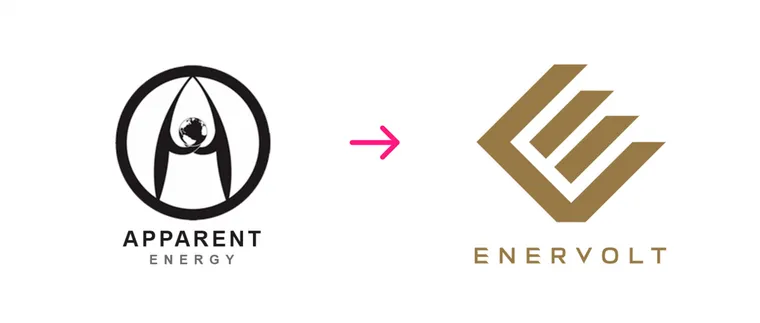
Enervolt
Keeks helped build the commercial layer around funded energy technology across positioning and brand, website, product system, packaging, investor materials, product naming, and app UI.
Kapixi
A logo request expanded into a broader software-company build spanning brand, platform UI, product management, market research, investor materials, and go-to-market preparation.
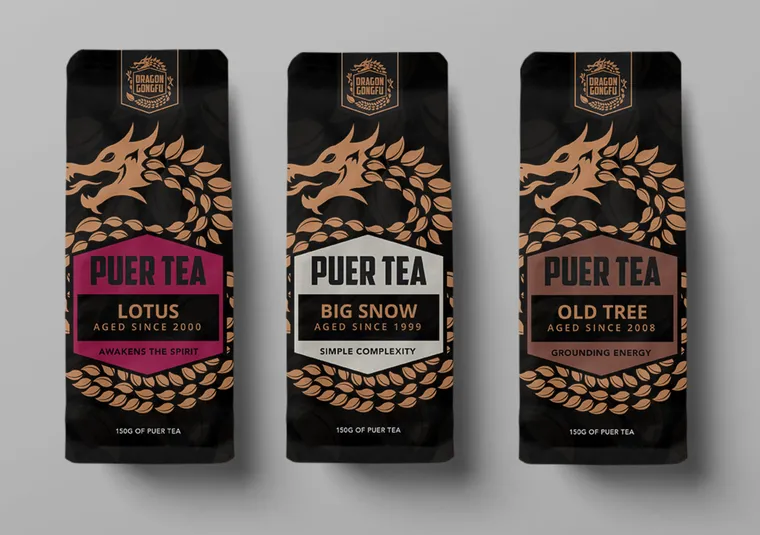
Dragon Gongfu Tea
A founder’s rare-tea expertise became a complete consumer brand and product system across positioning, packaging, e-commerce, product development, wholesale materials, vendors, fulfillment, and distribution support.
Where this work starts.
Most first engagements begin after there is already something real to take to market.
A working product, validated service, prototype, or funded build with a credible path forward.
A real commercial deadline such as launch, fundraising, customer rollout, or market entry.
An accountable decision-maker who can connect product, market, and company decisions.
Willingness to build the system around the product, not just the launch assets.
Common starting points include a physical product approaching market, a technical product that needs a commercial story, a software platform preparing for real users, or a product that works but still lacks the market system required to sell and support it.
Related thinking
 Product
The Product Works. The Company Is Not Ready.
The build can be finished while the path from customer interest to successful use is still being invented.
 Brand
BrandInvestors Look Before They Read
Before investors understand the product, they meet the materials representing the company and the decision behind it.
 Strategy
A Pivot Is Not Complete When the Decision Is Made
A product or company can change direction while the systems around it keep carrying the old one.

Bring us the product that needs a market around it.
Tell us what is real, where it is in development, and what has to happen before customers, investors, partners, or your own team can carry it. We will determine what the commercial system around it needs to include.
Request a conversation