The company changed. The brand needs to catch up.
Brand repositioning starts when the business has moved but the market is still meeting the old version.
Keeks helps established and growth-stage companies reposition after acquisitions, leadership changes, new markets, category shifts, and growth that has outpaced the current brand.
We settle what the company is now, then carry that decision through the identity, website, sales materials, content, and rollout so the new position survives execution.
The signal is a gap between the company and the story.
The request may sound like “we need a new website” or “the brand feels dated.” The deeper signal is that the company and its public story no longer describe the same thing.
The business outgrew the brand.
The offer, customer, price point, or ambition changed, but the identity and message still belong to an earlier stage.
An acquisition or merger created competing identities.
The business now contains brands, teams, or offers that were built separately and no longer make sense as separate stories.
Leadership or market direction changed.
New leadership, a new category, or a new market requires the company to be understood differently than it was before.
The surfaces disagree.
The website, proposal, sales conversation, deck, and visual identity each describe a slightly different company.
Decide what changed before we redesign anything.
A rebrand can make a company look different without making it easier to understand. We start with the business decision underneath the visual request.
That decision comes first.
Research the market the company is actually in.
Study the category, competitors, customers, and current perception so the new position begins with evidence rather than preference.
Decide what must change and what should stay.
Separate the parts of the company that still carry value from the parts that now create confusion, constraint, or the wrong signal.
Set the new position and narrative.
Define what the company is now, who it is for, what it should be known for, and the argument the market needs to understand.
Carry the position through the brand system.
Translate the decision into naming, architecture, identity, voice, website, sales materials, content, and the surfaces that make the company visible.
Roll it out without creating a second brand.
Replace the old story deliberately across the places customers, employees, partners, and prospects actually encounter the company.
Reposition, rebrand, refresh, or leave it alone.
These are different jobs. Choosing the wrong one either under-corrects a strategic problem or rebuilds things that were already working.
Reposition when the market needs to understand the company differently.
Rebrand when the identity and narrative cannot carry the new position.
Refresh when the position is still right but the expression has drifted.
Leave it alone when the problem is local, temporary, or executional.
We decide the level of change before design starts.
What we build.
Market and category research
The evidence underneath the decision: customers, competitors, category shifts, perception, and the open ground the company can credibly own.
Positioning and narrative
The new market position, value story, message hierarchy, and language that explain the company when the founders are not in the room.
Naming and brand architecture
Company, product, or offer names and the structure that makes acquisitions, sub-brands, and product lines understandable as one system.
Identity system
The mark, color, typography, visual language, and rules that make the new position visible and usable across the company.
Website and sales system
The website, deck, proposals, sales materials, and supporting copy that carry the same position into real buying conversations.
Launch and rollout
The migration plan, content, templates, internal materials, and launch work required to replace the old story instead of letting both versions coexist.
These capabilities are one layer of the larger system. See the full Brand & Creative Production layer →
When the repositioning works.
Customers, prospects, employees, and investors stop meeting different versions of the company. The website, deck, sales conversation, and visual system begin making the same argument.
Keeks keeps the decision connected from research through identity, website, sales materials, and rollout. One senior team stays close enough to catch the drift before it becomes the next rebrand.
Clearer market position. Fewer conflicting surfaces. No strategy left in a deck.
Dr. Sherri Greene
An established clinical practice had moved toward a broader restorative-wellness model, but the public identity still reflected an earlier version of the practice. Keeks carried the transition through market research, positioning, identity, website, content structure, marketing materials, and launch.
Enervolt
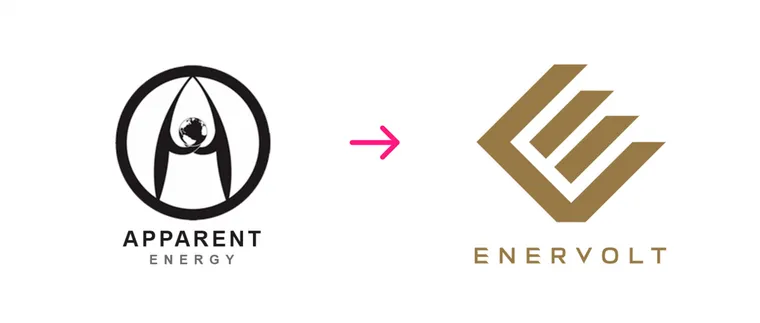
Apparent Energy had technology and a business to build around it, but no clear brand, story, or market position. Keeks repositioned and renamed the company Enervolt, then carried the new direction through the identity, website, product system, packaging, investor materials, and app UI.
Where this work starts.
Most first engagements begin with a real business transition already underway.
Something material changed in the company, market, leadership, offer, or ownership.
The current brand no longer explains that change clearly.
An accountable decision-maker can make the calls the transition requires.
There is willingness to change more than the visual layer if the evidence requires it.
Common starting points include an acquisition, new leadership, entry into a new market, a category move, a major offer shift, or a brand the business has simply outgrown.
Related thinking
 Brand
BrandWhen Your Surfaces Disagree
The website works. The proposal works. Read together, they describe different companies.
 Strategy
A Pivot Is Not Complete When the Decision Is Made
A company can change direction while its proposals, intake, metrics, and market presence keep carrying the old one.
 Brand
BrandA Brand That Stops Eating Dies
Why a brand has to keep operating after launch instead of becoming a finished project.

Bring us the company the market has not caught up with.
Tell us what changed, what no longer fits, and where the old story is still showing up. We will determine whether the right move is repositioning, a rebrand, a narrower refresh, or something else.
Request a conversation